Special Collaboration / Programme “Territories, Resistance, Freedom”
«Boundless Borders (Territórios Partilhados)»
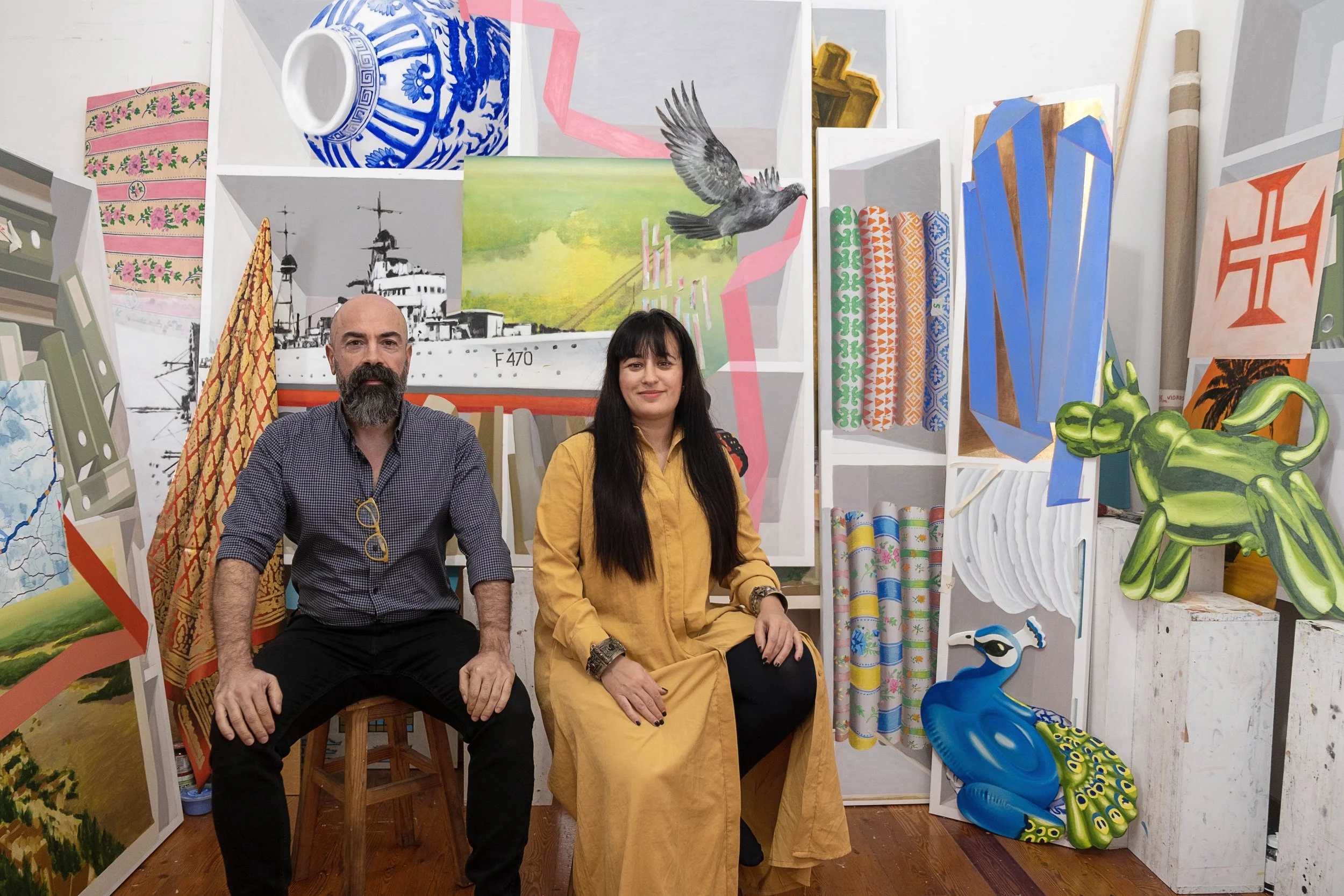
Rui Macedo . curated by Inês Valle
National Palace of Mafra, The Room of ‘Discoveries’, Portugal
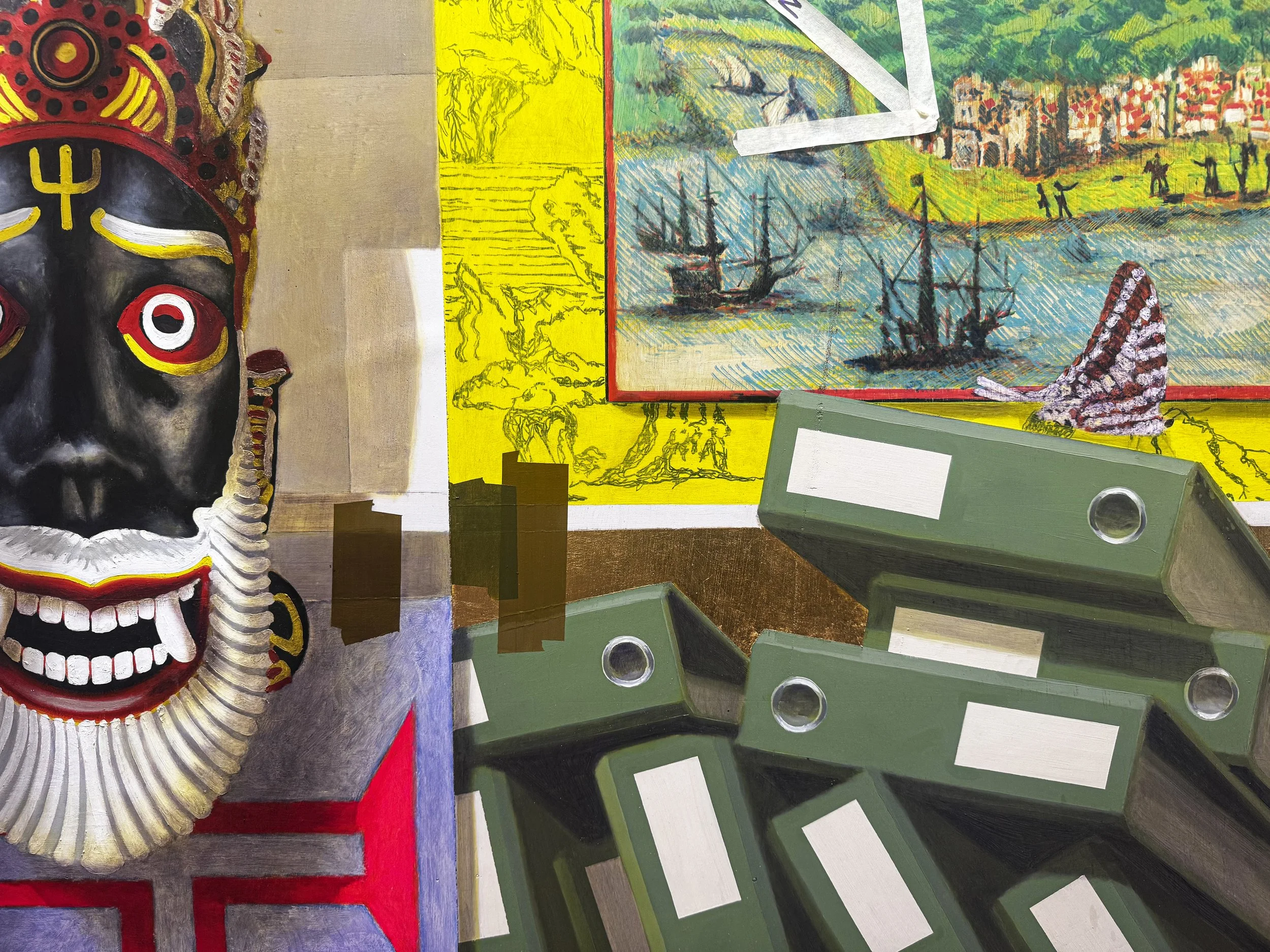
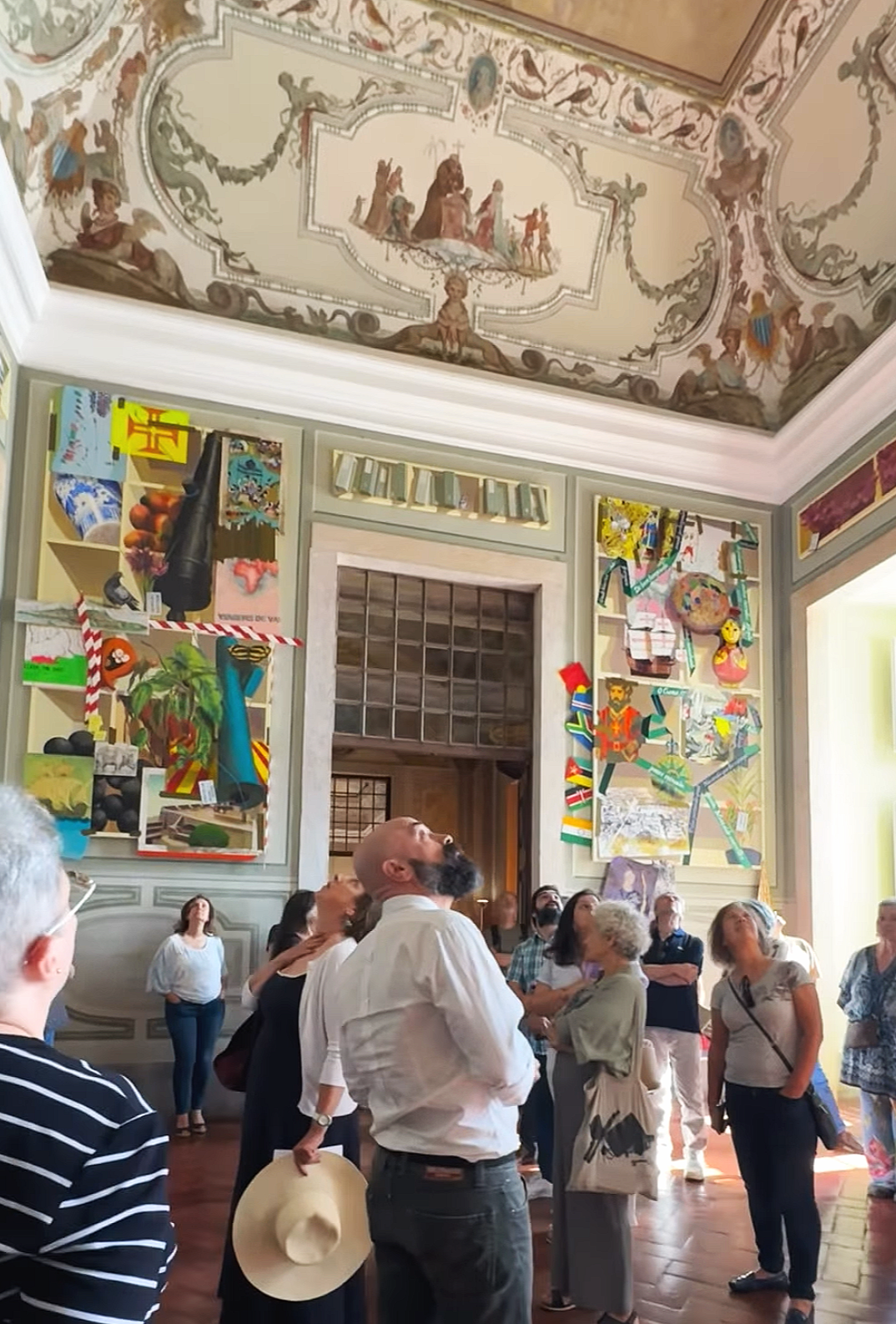
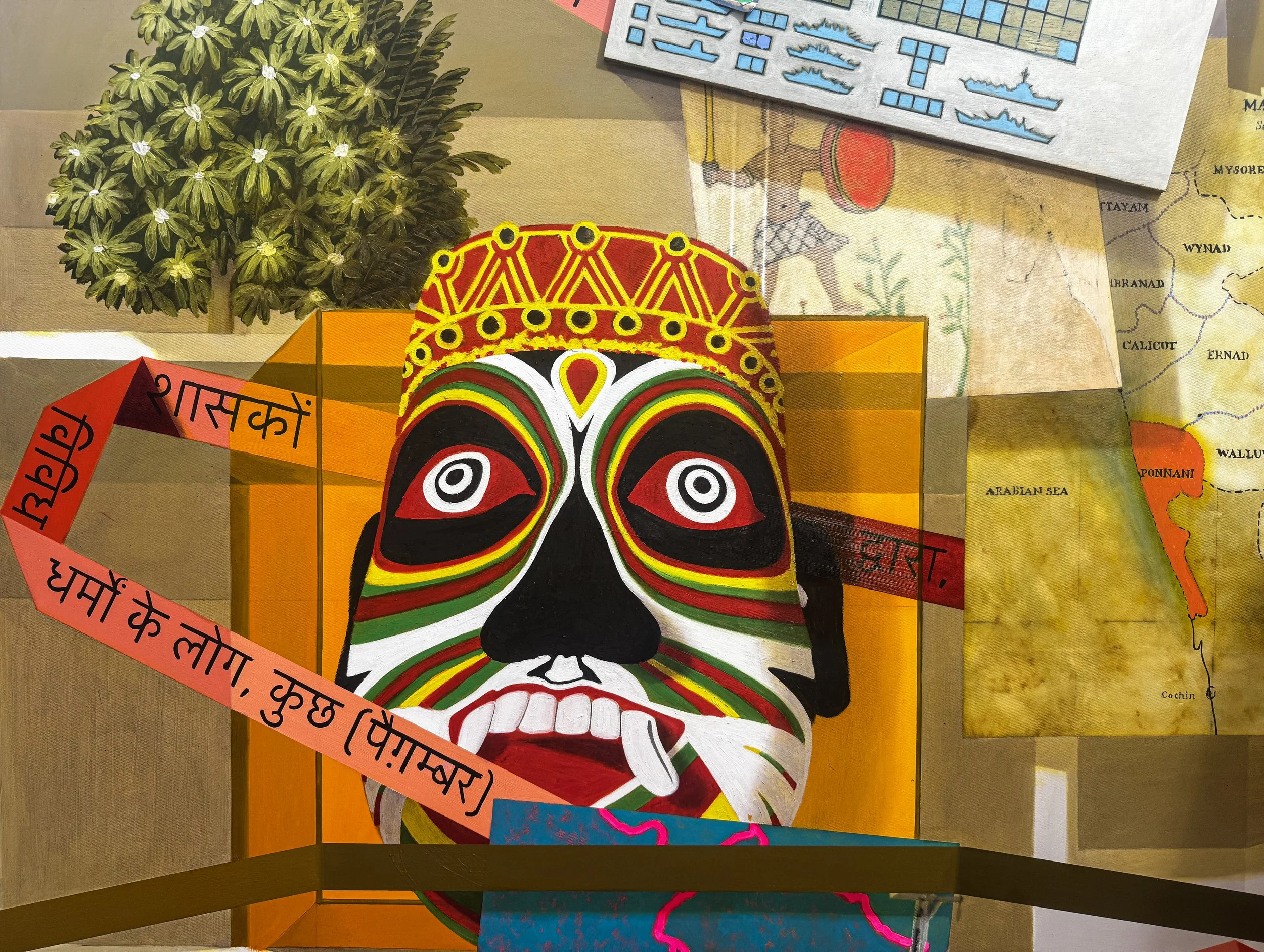
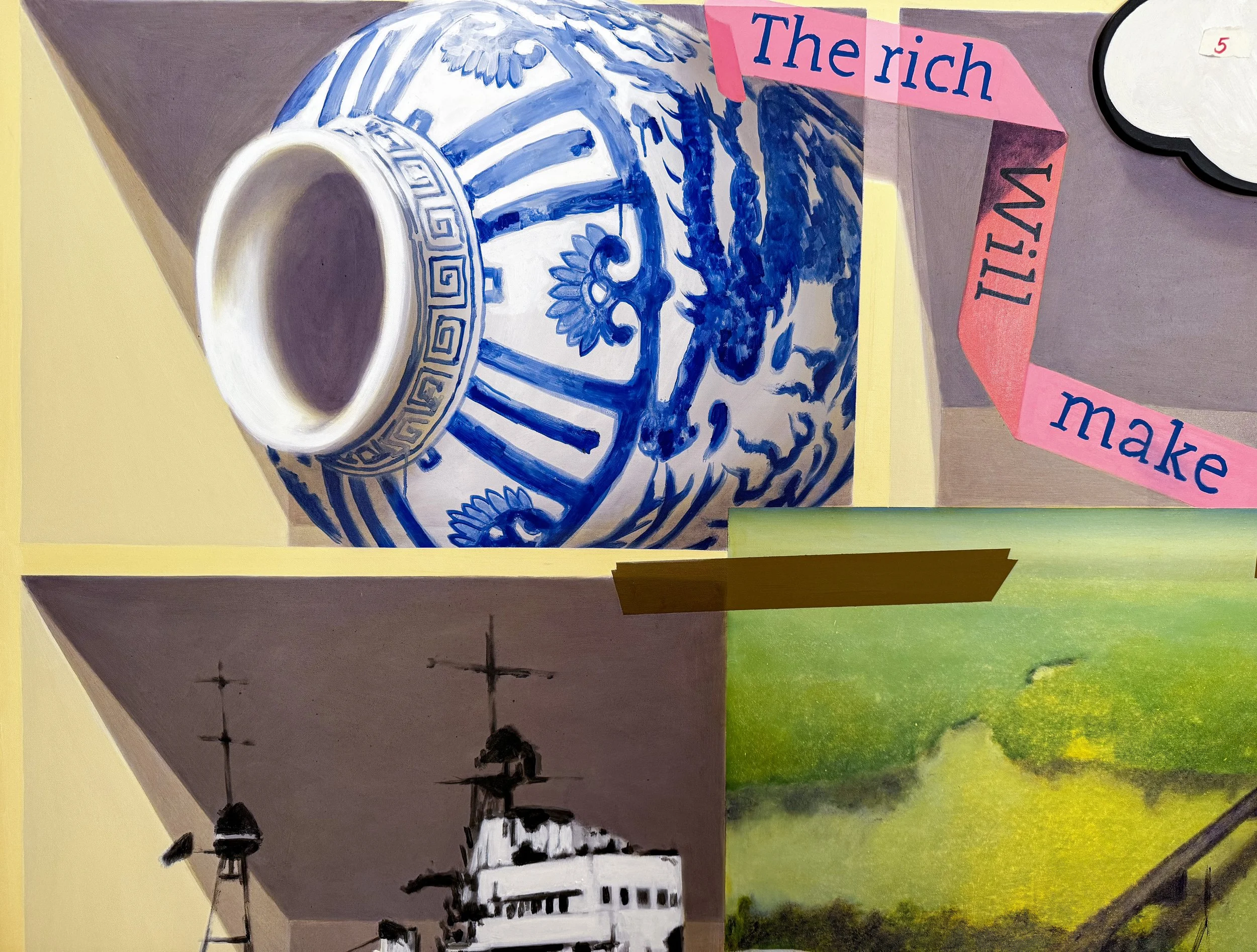
Boundless Borders (Territórios Partilhados) – a long-term exhibition by Rui Macedo, curated by Inês Valle at the National Palace of Mafra. First Phase Opens to the Public: 10.06.2026
« The National Palace of Mafra, inscribed on the UNESCO World Heritage List since 2019, stands out for its monumental architecture, reflecting the splendour of the Portuguese monarchy and embodying power, culture and national identity. The UNESCO inscription not only recognises the artistic, architectural and engineering excellence of the monumental complex, but also promotes the preservation of its integrity and authenticity, the basis of its recognised Outstanding Universal Value.
Among its main rooms, the Chamber of Discoveries (Sala das Descobertas) is particularly noteworthy; its ceiling painting, by Cyrillo Volkmar Machado in 1798, is considered the first major artistic manifestation of the Camonian movement in Portugal. It is a unique space that celebrates the epic Age of Discovery, evoking the Portuguese achievements immortalised by Luís Vaz de Camões in ‘Os Lusíadas’.
More than 200 years after Ciryllo’s original work, which was clearly in a state of need of conservation, it became necessary to restore this room. For this purpose, the Palace of Mafra benefited from the generous patronage of the Millennium bcp Foundation to implement an unprecedented project for the restoration and artistic enhancement of this space. Thus, in the year 2025, the conservation and restoration work on the wall paintings in the Hall of Discoveries was completed, carried out by Sofia Lopes and Margarida Boavida (Intonaco), to preserve and enhance this historical, artistic and cultural heritage, recognising its importance as an integrated whole. In the work carried out in the Hall of Discoveries, the decision was made to go beyond the simple conservation of what already existed. In this way, curators and artists have been challenged to respect the essence of these places, whilst at the same time imbuing them with new meanings. This process has enriched the heritage, making it relevant to diverse audiences and compatible with contemporary artistic practices. (…)
Following its restoration, the Chamber of Discoveries welcomed, from the 10 of June, an unfinished contemporary art installation by Rui Macedo, entitled “Boundless Borders”. This collaborative art project, curated by Inês Valle with scientific support from curators and art historians Raquel Henriques da Silva and Shaheen Merali, proposes a postcolonial and trans-temporal reading of the historical narratives related to Portuguese “expansion” in India. (…)»
Excerpt from Sérgio Gorjão’s publication introduction text, 2026
«(…) Rui Macedo’s artistic practice operates on the subtle threshold between perception and illusion. It invites the viewer to question what they are seeing. Throughout his career spanning more than two decades, he has consistently explored the language of painting as both a subject and an artistic medium, reflecting on the relevance of his modes of operandi both within and outside cultural institutions. Using his subtle and astute sense of humour, Macedo challenges the viewer through illusionistic strategies of representation — particularly trompe-l’œil — which are intrinsically linked to the creation of site-specific paintings that, as the term suggests, establish a direct relationship to the place in which they are installed (…) Today, upon entering the Chamber of Discoveries, visitors are immediately enveloped in a striking and almost overwhelming visual experience, created by the dialogue between the 18th-century ceiling paintings and Rui Macedo’s site-specific paintings covering the walls. (…) This composition deliberately recalls the first “cabinets of curiosities” that emerged in Europe during the 16th century, generally associated with the “Age of Discovery”. These were characteristic of the spirit of the age, reflecting a desire to collect “different”, “strange” and exotic objects, displayed in refined settings such as the National Palace of Mafra, for example. In the case of Rui Macedo’s paintings, these objects form a collective visual archive in which different timelines coexist. One refers to the beginning of Portuguese maritime expansion, whilst others belong unequivocally to the contemporary era, making his work a compendium spanning half a millennium.
Importantly, the visual archive of Rui Macedo’s paintings comprises over 800 references and results from a process of dialogue and co-creation involving contributors from various communities linked to the historical narratives and the five locations identified in this room. Researchers, curators, historians, sociologists, cultural policy-makers, artists, members of the Indian community and members of diaspora communities in Portugal took part in discussions, visits and exchanges, contributing suggestions for objects that were selected to be depicted in the paintings.»
Excerpt from an essay by Inês Valle, 2026
-
Title: "Boundless Borders"
Curator: Inês Valle
Artist: Rui MacedoFirst Phase Opens to the public from: 10/06/2026 (long-term display)
Venue: National Palace of Mafra, Portugal
Partners: National Palace of Mafra, Museu e Monumentos de Portugal, UNESCO, The CERA PROJECT, Orient Foundation (India). Project Sponsor bcp-Millennium Foundation Residency & Community Programme Funded by DGARTES -
-
Community Participation:
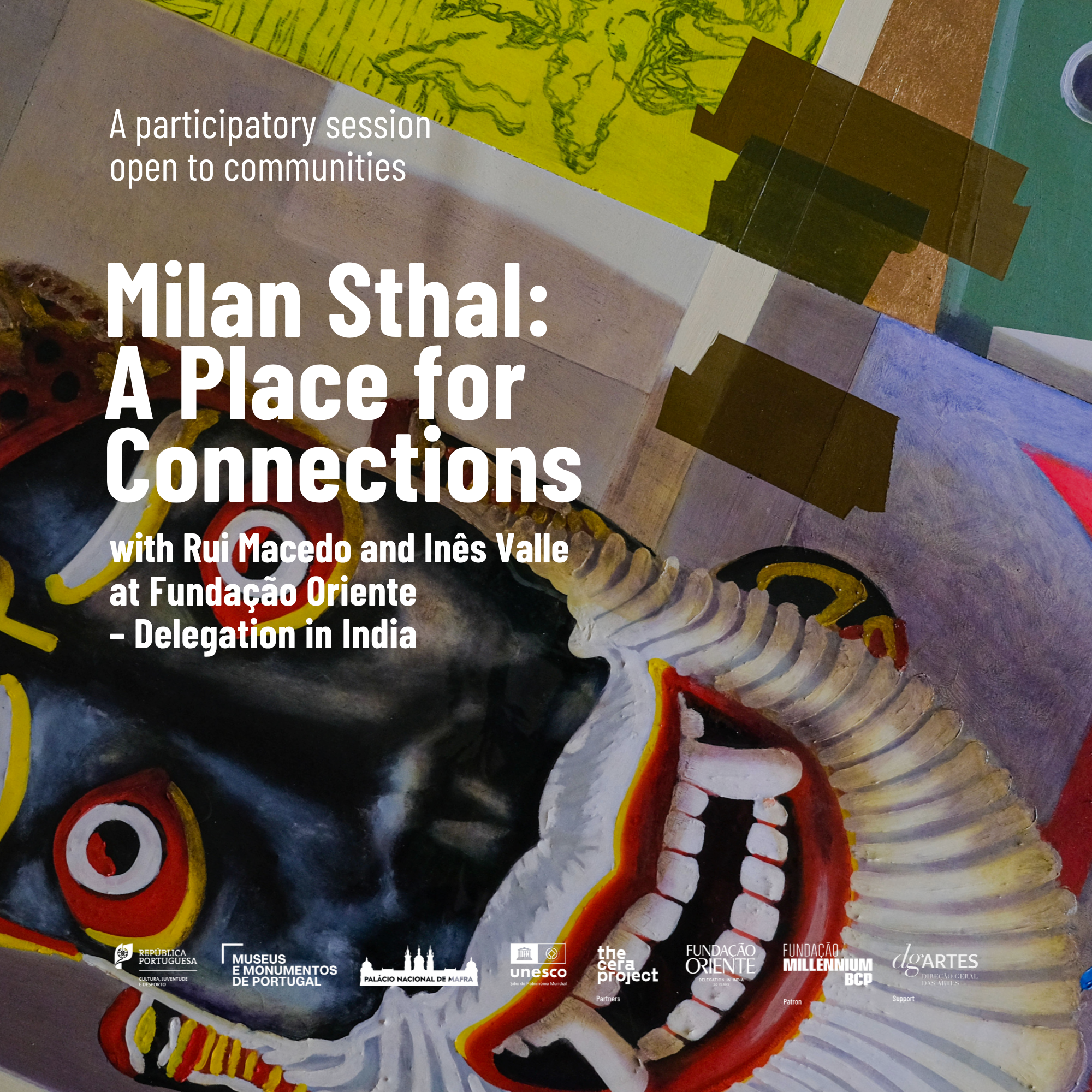
July 28, 2026, Community Participatory Session at Fundação Oriente – Delegation in India (Goa)
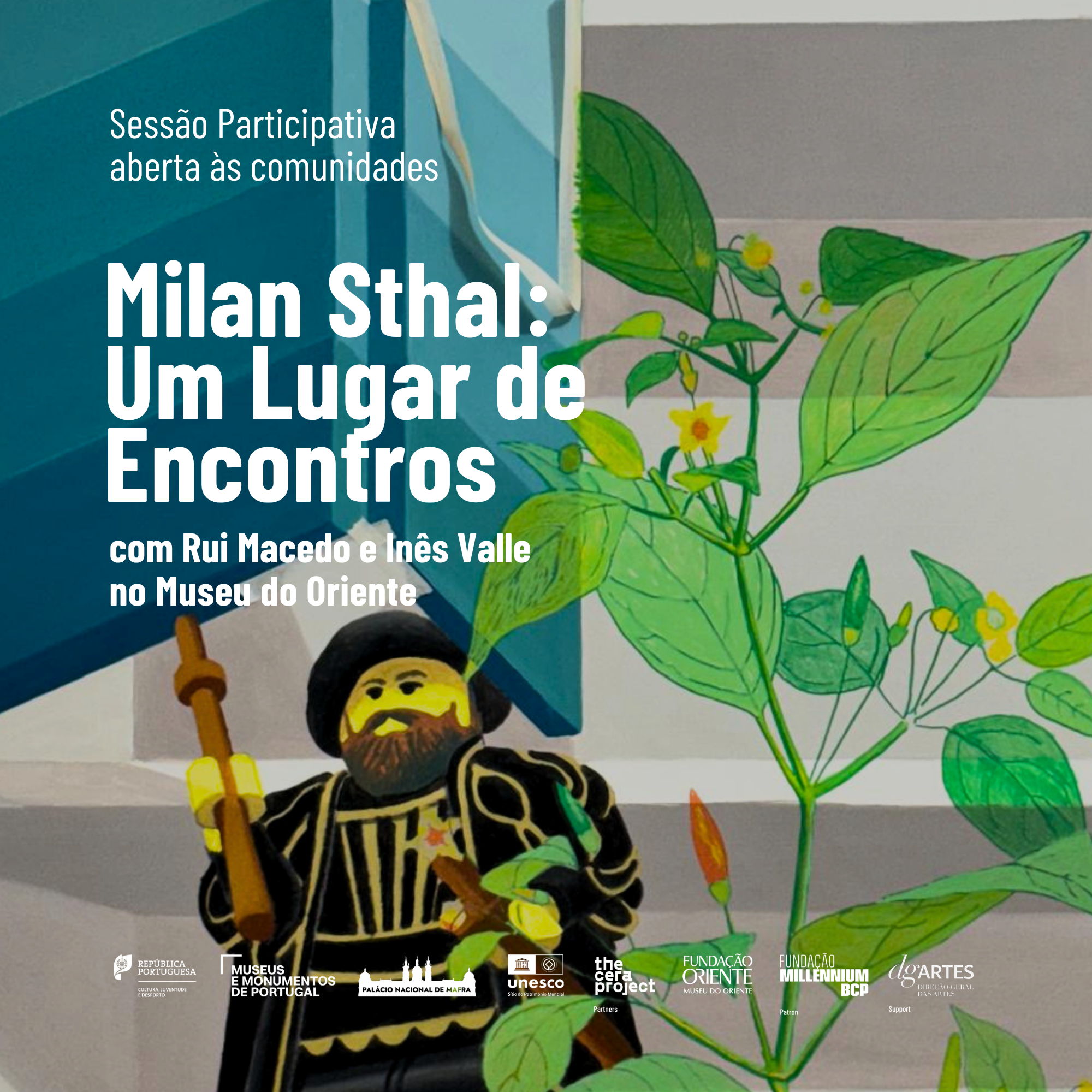
September 19, 2026, Community Participatory Session at Museu do Oriente (Lisbon)
To be announced – Community Participatory Session at the National Palace of Mafra
Public Programme:
10 June 2026 – First Phase of the Exhibition Opens to the Public
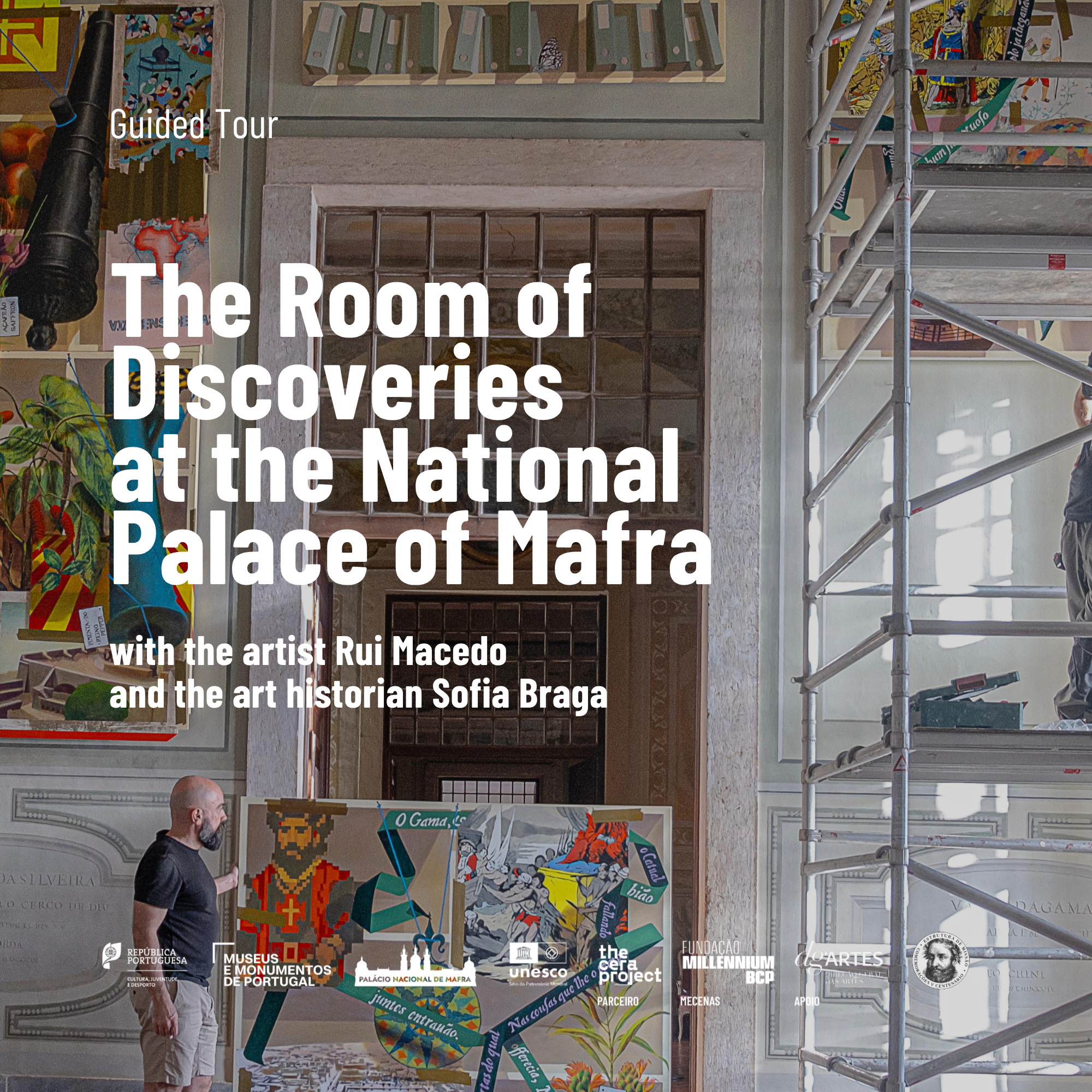
10 June 2026 – Guided Tour with Rui Macedo and the Art Historian Sofia Braga at the National Palace of Mafra
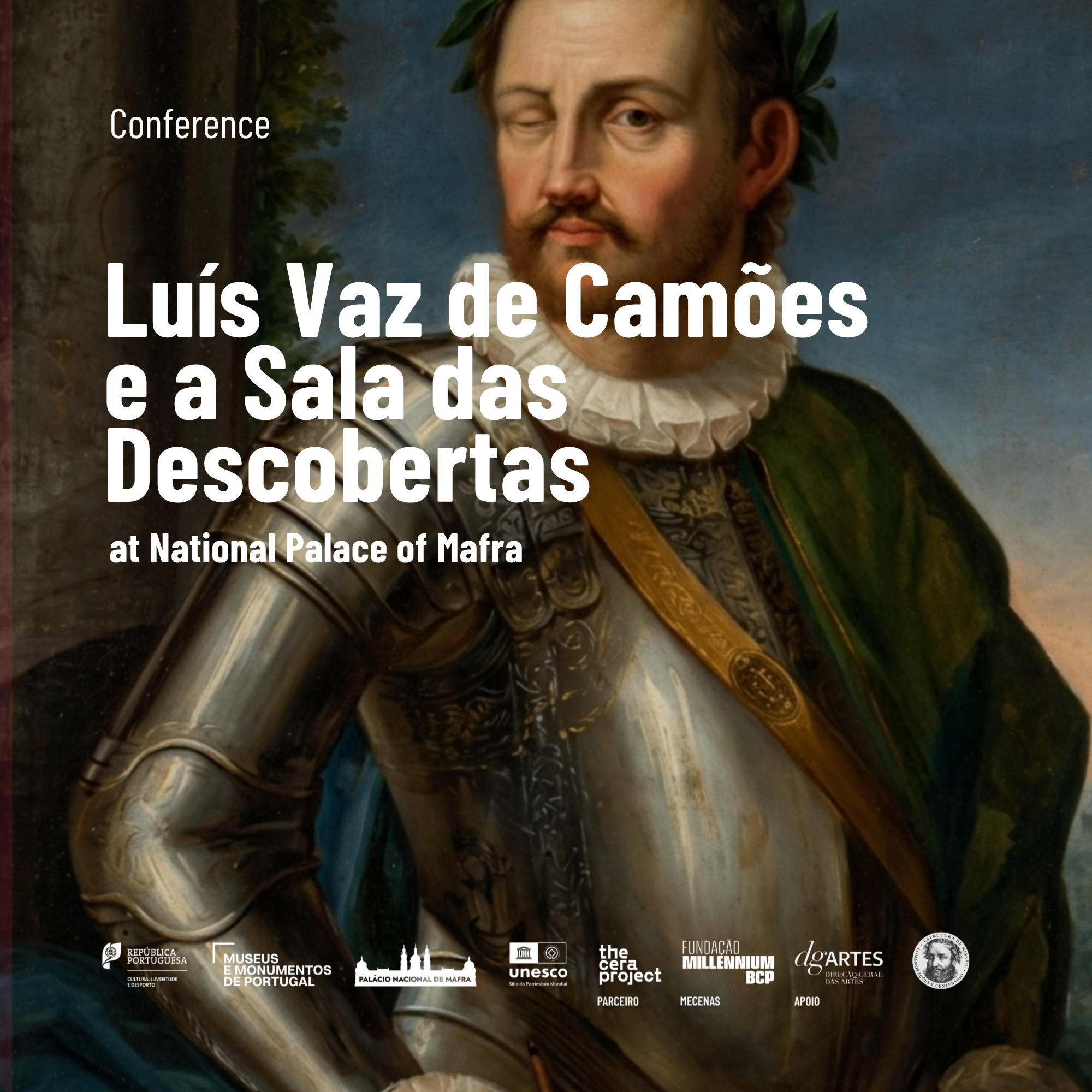
13 June 2026 at 3 pm – Conference “The Chamber of Discoveries and Luís Vaz de Camões” at the National Palace of Mafra
13 June 2026 – Guided Tour with Rui Macedo and the Art Historian Sofia Braga at the National Palace of Mafra
(more information will be added soon)
-
Rui Macedo (Évora, 1975) is a Portuguese visual artist who works exclusively in painting and site-specific installations. He holds a PhD in Painting from the Faculty of Fine Arts of the University of Lisbon. His practice interrogates the conventions of painting as both medium and exhibition form, challenging traditional notions of representation and authorship. Through perceptual strategies that unsettle the viewer’s expectations, Macedo expands the conceptual and spatial boundaries of painting, often creating works that resist conventional definitions of the medium. He has received prestigious institutional support, including grants from the Calouste Gulbenkian Foundation, Instituto Camões, the Spanish Ministry of Culture, and FCT/CIEBA. His work has been presented in exhibitions at institutions such as Museu Nacional de Arte Contemporânea – Museu do Chiado (Lisbon), MEIAC (Badajoz), Museu do Neorrealismo, Tabacalera (Madrid), and Museu de Arte Contemporânea de Niterói (Brazil). His works are held in prominent public and institutional collections across Portugal, Spain, Italy, and Brazil, including the Portuguese State Art Collection, Culturgest, MNAC, IVAM, MEIAC, and the Benetton Foundation.
-
Inês Valle Inês Valle is a curator, artist, and creative producer whose practice is driven by international and interdisciplinary collaboration. She holds a BA in Fine Arts (Painting) and an MA in Curatorial Studies from the Faculty of Fine Arts, University of Lisbon. She is the founder of The CERA PROJECT, a non-profit cultural organisation that fosters artistic dialogue between the Global North and South, promoting narratives beyond Western frameworks. Valle has collaborated with leading institutions, including Centro Cultural de Belém, Museu Coleção Berardo, CAM – Centro de Arte Moderna Gulbenkian, Canberra Contemporary Art, the National Museum of Lagos, and Artspace Aotearoa. At CAM Gulbenkian, she coordinated the Portuguese strand of the European lighthouse project Bauhaus of the Seas Sails. Her curatorial work spans mainly Europe, Africa and the Middle East and includes exhibitions with artists such as Ângela Ferreira, António Ole, Ai Weiwei, Andrew Esiebo, Edson Chagas, Pablo Bartholomew, Marcelo Brodsky, Miguel Palma, Leo Asemota, Khaled Jarrar, Wura-Natasha Ogunji, George Osodi e Graeme Williams. Increasingly, her projects emphasise co-creation, community engagement, and transdisciplinary research, addressing questions of identity, ecology, postcolonial memory, and urban transformation.
-
Sérgio Gorjão is a professional in the field of culture and heritage, with extensive experience in managing and promoting cultural and heritage institutions. Since 2021, he has served as Director of the National Palace of Mafra, one of Portugal’s most important cultural landmarks.
Previously, he served as Executive Secretary of the Portuguese National Commission for UNESCO in 2020, where he played a crucial role in the promotion and preservation of the country’s cultural heritage. Between 2016 and 2020, Gorjão served on the technical and scientific committee for the nomination of the Royal Palace of Mafra to the UNESCO World Heritage List, whilst working as a senior officer at the Directorate-General for Cultural Heritage (DGPC). Before that, he was Director of the Grão Vasco National Museum in Viseu between 2010 and 2014, and Director of the Terra de Miranda Museum, combining this role with that of the Abade de Baçal Museum in Bragança between 2007 and 2009. From 2004 to 2006, Sérgio Gorjão worked as a specialist in museology and heritage on the European Union’s Asia-Urbs project, based in the city of Xingcheng, Shenyang Province, in the People’s Republic of China. His professional career began in the 1990s, when he served as Coordinator of Cultural Services for Mafra Municipal Council (2000–2002). Previously, he also coordinated cultural services for Óbidos Municipal Council between 1995 and 1999, and again from 2002 to 2010, a period during which he contributed significantly to the town’s cultural development. With an established career in cultural and heritage management, Sérgio Gorjão has been a key figure in the preservation and promotion of Portugal’s historical and artistic heritage, both nationally and internationally.
Raquel Henriques da Silva (b. 1952) is an Emeritus Professor in the Department of Art History at NOVA FCSH. Her research focuses on the history of Lisbon (urban planning and architecture), museum and heritage studies, and the history of Portuguese art from the 19th to the 21st centuries.
She was Director of the National Museum of Contemporary Art/Chiado Museum, the Portuguese Institute of Museums and the Institute of Art History. She has coordinated two research projects funded by the FCT and coordinates various projects with full or partial external funding, notably with Lisbon City Council, the Calouste Gulbenkian Foundation and the Millennium bcp Foundation. She has curated several exhibitions in the field of 19th and 20th-century Portuguese art, in collaboration with her research groups at the IHA and the DHA at NOVA FCSH, and with various Portuguese museums.
Shaheen Merali (b. 1959) is a curator, artist and art writer born in Tanzania, currently living in London.
From 2003 to 2008, he was Director of Exhibitions, Film and New Media at the Haus der Kulturen der Welt (Berlin), having curated several exhibitions, including The Black Atlantic: Travelling Cultures, Counter-Histories, Networked Identities (2004); Dreams and Trauma: Moving Images and the Promised Lands (2005); China – Between the Past and the Future (2006); and Re-Imagining Asia, One Thousand Years of Separation (2008). In 2006, he was invited to co-curate the 6th Gwangju Biennale in Korea. In 2022, Uganda presented its first national pavilion at the 58th Venice Biennale, joining 80 other countries. Uganda’s debut pavilion, entitled Radiance – They Dream In Time, was curated by Shaheen Merali. Other exhibitions include The Dark Science of Five Continents (BMB Gallery, Mumbai) and The Promise of Loss (Kunsthalle Brot, Vienna and Arario Gallery, New York). In 2009, he curated Indian Popular Culture and beyond: The Untold (the rise of) Schisms at Alcalá 31 in Madrid, accompanied by a publication tracing the rise of the political right in Indian popular culture and its neighbouring regions. In 2010, he curated the exhibition Never run away (Stefan Stux Gallery, New York). In 2013, Shaheen Merali curated the group exhibition Speaking from the Heart – The Polemic Sensibility from Iran, featuring 23 artists from Iran and the diaspora, organised in collaboration with Framer Framed in Amsterdam. Merali has edited several publications, including Far Near Distance, Contemporary Positions for Iranian Artists (2004); Spaces and Shadows, Contemporary Art from Southeast Asia and About Beauty (2005); New York-States of Mind and Re-Imagining Asia (Saqi Books 2007); and the seminal Everywhere is War (and rumours of war) for BodhiMumbai, India (2008).
-
-
(soon)
-
Please click here to access
the Press Release (Portuguese / English )
Project official poster
Programme
-
![]()
Participatory Session in Lisbon
19 September, 2026
"Milan sthal–Um Lugar de Encontros" – community participatory session at Museu do Oriente, Lisbon.
-
![]()
Participatory Session in India
28 July, 2026
"Milan Sthal–A Place for Connections" – community participatory session at Fundação Oriente – Delegation in India.
-
![]()
Conference
13 June, 2026
"Luís Vaz de Camões and the Room of Discoveries" at the royal library of the National Palace of Mafra.
-
![]()
Guided Tour
10 and 13 June, 2026
Among the most emblematic room of the Palace National Palace is the Room of Discoveries, whose ceiling painting created in 1798 by Cyrillo Volkmar Machado is considered the first major artistic expression of the Camonian movement in Portugal.
-
![]()
Art & Research residency
2025–2026
The artist Rui Macedo and curator Inês Valle are undertaking a collaborative art and research residency at The CERA PROJECT, supported by the Direção-Geral das Artes, as part of their art project Boundless Borders at the National Palace of Mafra.